
Turn Google Reviews into Your Best PR Tool (Even the Ugly Ones)

Your Google Business Profile is often the first impression someone has of your organization. Before they visit, call, or support your cause, they’re reading your reviews — and your responses to them. Unlike the reviews, your responses are entirely within your control, and handling them well is one of the most accessible reputation-building tools available to you.
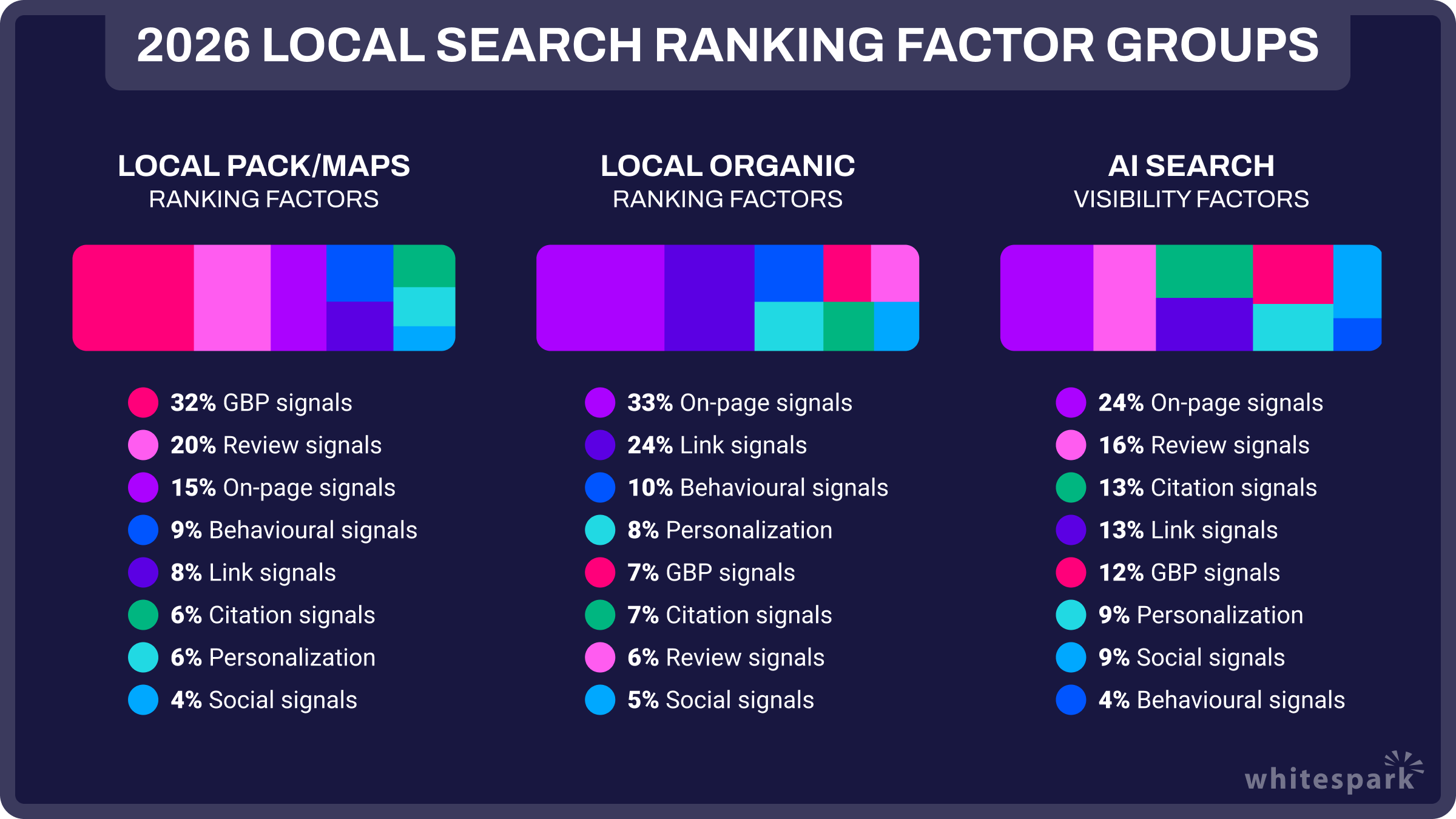
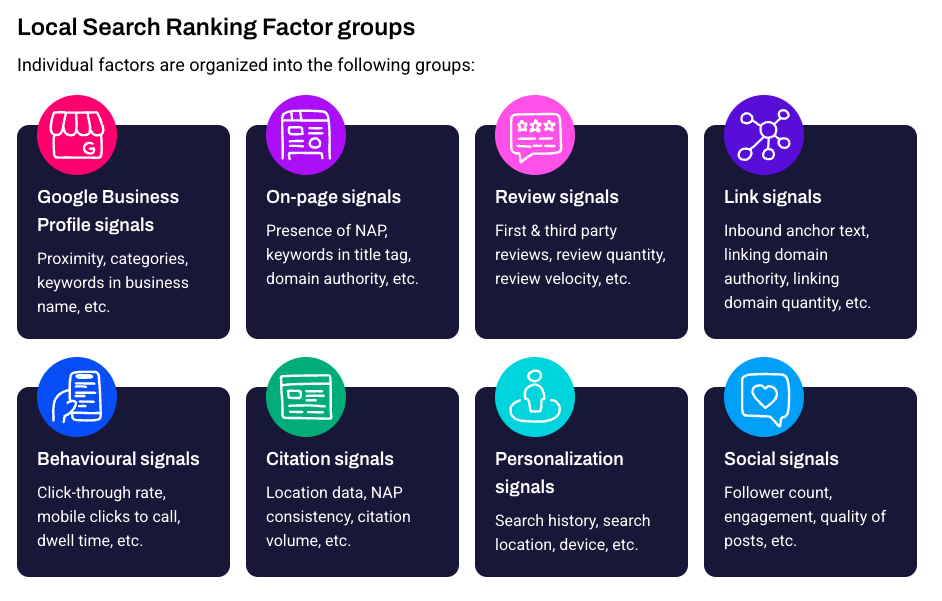
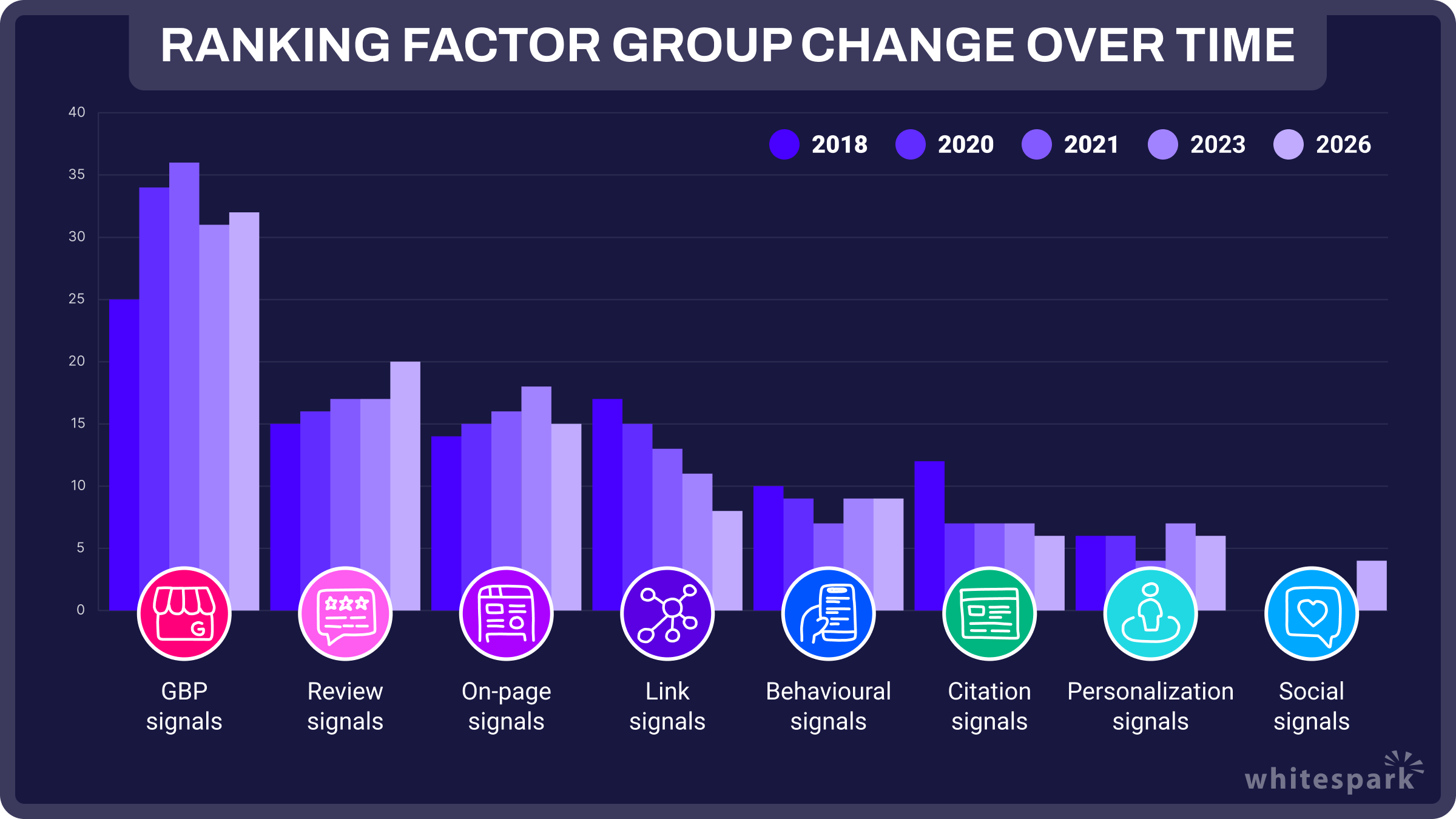
The data, sourced from Whitespark’s annual Local Search Ranking Factors 2026 survey results, reveals that the top two local search ranking factors, Google Business Profile Signals (32%) and Review Signals (20%), account for more than half of the overall ranking.
Since Google hosts more than 70% of all online reviews, your reputation management strategy must include maintaining a Google Business Profile and managing Google reviews, as it is the primary source of reviews for prospective consumers.
According to BrightLocal’s 2026 survey, 97% of consumers read reviews for small local businesses and inform their purchasing decisions. Moreover, 31% of consumers expect higher star ratings (4.5+), 47% won’t work with a business with fewer than 20 reviews, and 74% only care about reviews published within the last three months.
Responding to Every Review Matters
From a public relations perspective, remember that your response to a review isn’t necessarily for the person who wrote it; it’s for the 100 people who will read it later. When you personalize your responses, you’re actively demonstrating that there are real, accountable humans behind your organization.
Timely responses to all reviews convey that your business appreciates and engages with its customers. BrightLocal’s 2026 consumer review survey also indicates that 80% of consumers say they would work with a business that responds to all of its reviews. Google Business Profiles with at least an 80% review response rate capture a corresponding 10–20% increase in local search rankings.
Used by both human quality raters and AI algorithms, Google’s E-E-A-T framework (Experience, Expertise, Authoritativeness, and Trustworthiness) guides how its algorithms assess a business’s credibility and relevance. Introduced in 2024, the first E in the acronym stands for Experience. When customers leave a review, Google interprets it as a high-value “Experience” signal. Google Gemini defines these signals as “a piece of data or a ‘clue’ that Google’s algorithm uses to evaluate the quality, relevance, and trustworthiness of a business.”
The stakes for ignoring reviews are significant. 42% of consumers are unlikely to use a business that never replies to reviews.
Encourage your customers to leave Google reviews with on-site signage and a call to action on social media. Repurpose those testimonials as social media posts and on your website, and encourage customers to tag you in their comments or include photos or videos in their Google review — reviews with visual content tend to stay at the top of a listing longer than those without.
Responding to Positive Reviews (The “Signal” Multiplier)
Although tempting, don’t just reply with the standard “Thanks!” to reviews. Personalize your response and strategically include relevant keywords related to your organization’s products or services, which provides Google with another signal or clue about your business.
For example, if a client says, “Elevate Next did a great job,” respond with, “Thank you! We loved working on your website design and branding strategy.”
Responding to Negative Reviews (Damage Control)
A genuine negative review can sting, but it is also one of the most powerful public relations opportunities available to you — if you handle it well. A defensive, emotional, or dismissive response signals that you don’t handle criticism gracefully. A measured, compassionate reply signals exactly the opposite.
A simple response framework that works:
Acknowledge the experience without over-apologizing or over-explaining. (“We’re sorry to hear your visit didn’t meet your expectations.”)
Take it offline. Invite them to contact you directly so you can make it right. (“Please reach us at [email/phone] — we’d love the chance to learn more.”)
Keep it brief. A short, gracious response will almost always outperform a lengthy argumentative response.
Avoid restating the complaint in detail (this amplifies it in search results), matching the reviewer’s tone, or making public promises you can’t keep. And never post a discount or special offer in response to a negative review — it can signal to others that complaining is a path to perks.
Google notes that negative reviews aren't necessarily a sign of poor service — they're a valuable opportunity to understand customer expectations and improve future experiences.
Spotting and Reporting Fake or Spam Reviews
Before you respond to a review, it helps to know whether it’s real. Red flags include:
No past review history on the reviewer’s account
Vague or generic language with no mention of your actual services
A sudden burst of multiple negative reviews posted in a short period
A reviewer you have no record of ever serving
About 11% of Google reviews may be fraudulent. The good news is that Google is getting more aggressive about identifying them. Google announced it is using Gemini AI to better detect review spam, citing a 40% increase in review removal in 2024 compared to 2023.
Google will only remove a review if it violates Google’s User Generated Content Policy (i.e., spam, conflict of interest, harassment, etc.). You report an inappropriate review (and check on its status) here, or by navigating directly to your Google Business Profile, clicking the three dots next to the review, choosing “Report review,” and selecting the specific policy violation.
After flagging the review, Google will typically send an email confirming it’s under review. If Google agrees the review violates policy, it will be removed; if not, the review remains live.
Have patience. Google typically takes about 3 to 5 business days to remove a review after it has been flagged, though complex cases can take up to two weeks or longer. In more difficult cases, removal times can stretch to 30–100 days.
If your initial flag doesn’t result in removal, don’t give up. You can appeal the decision and, as a last resort, use the Google Business Profile community forum.
In the meantime, respond briefly and professionally in a timely manner with something like: “We have no record of this visit or interaction. We’ve flagged this review for Google’s attention, but please feel free to reach us directly at [contact info] if we can help clarify anything.” This shows future readers that you are paying attention and handling concerns with integrity — without validating a review that may not be legitimate.
Your Reputation Doesn't Take Days Off
Your Google reviews are a living, public record of every relationship your organization has built. With 74% of consumers only trusting reviews from the past three months, a stale, unattended profile sends its own message. Whether you're thanking a loyal supporter, addressing a concern, or flagging a fake review, every response impacts your reputation in real time. Aim for a 24 to 48-hour response time to all reviews, just as you would with your inbox. Incremental, consistent efforts to keep your Google Business Profile up-to-date and engaged with the community compound over time.
Related Articles



A smaller catch and a national marine sanctuary reef with no lobster sightings on our annual Florida Keys lobster trip led to an unexpected discovery. Florida and Maine both regulate their fisheries, but only one is thriving. Here's what that means for your business's environmental standards and whether you're telling that story.