
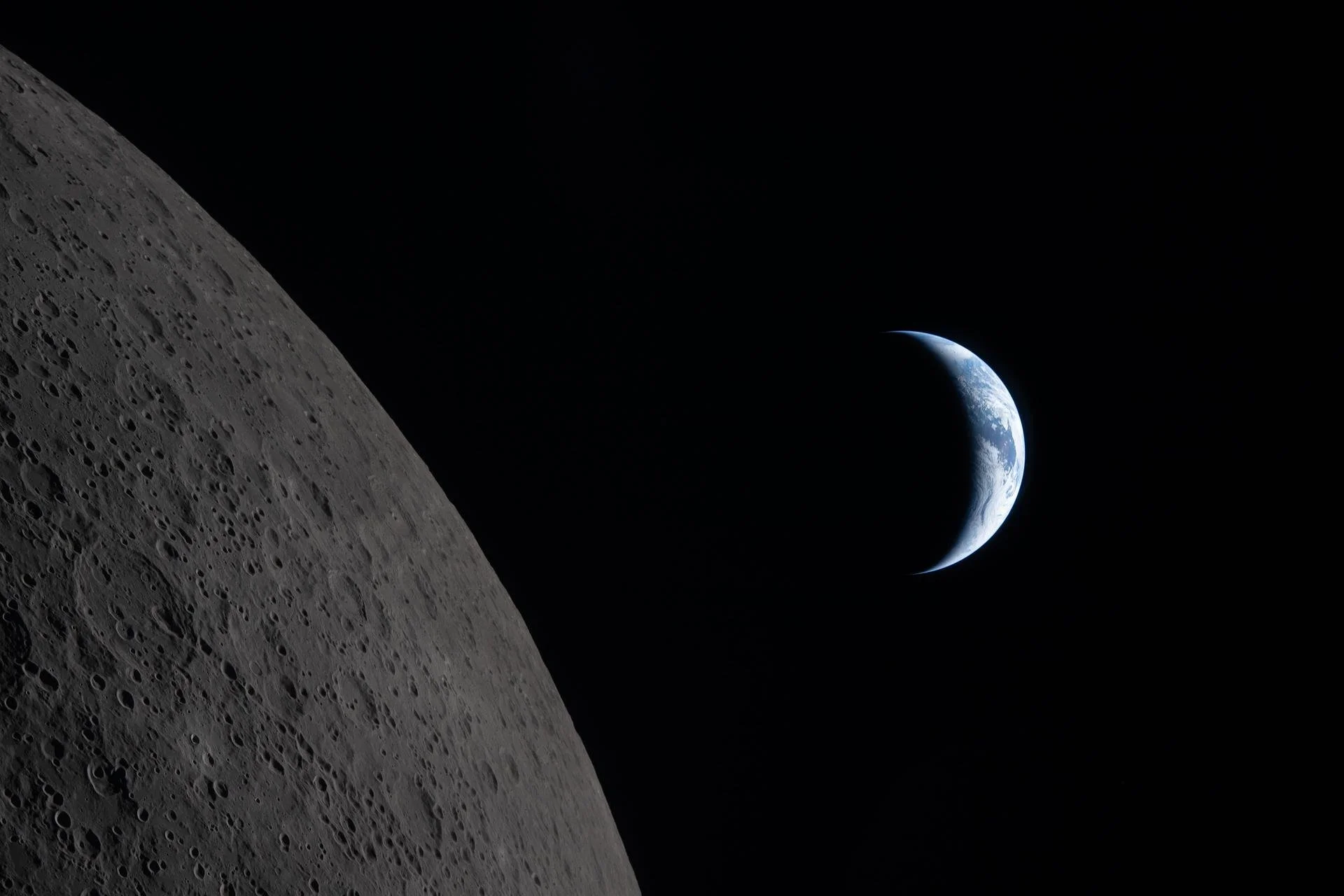

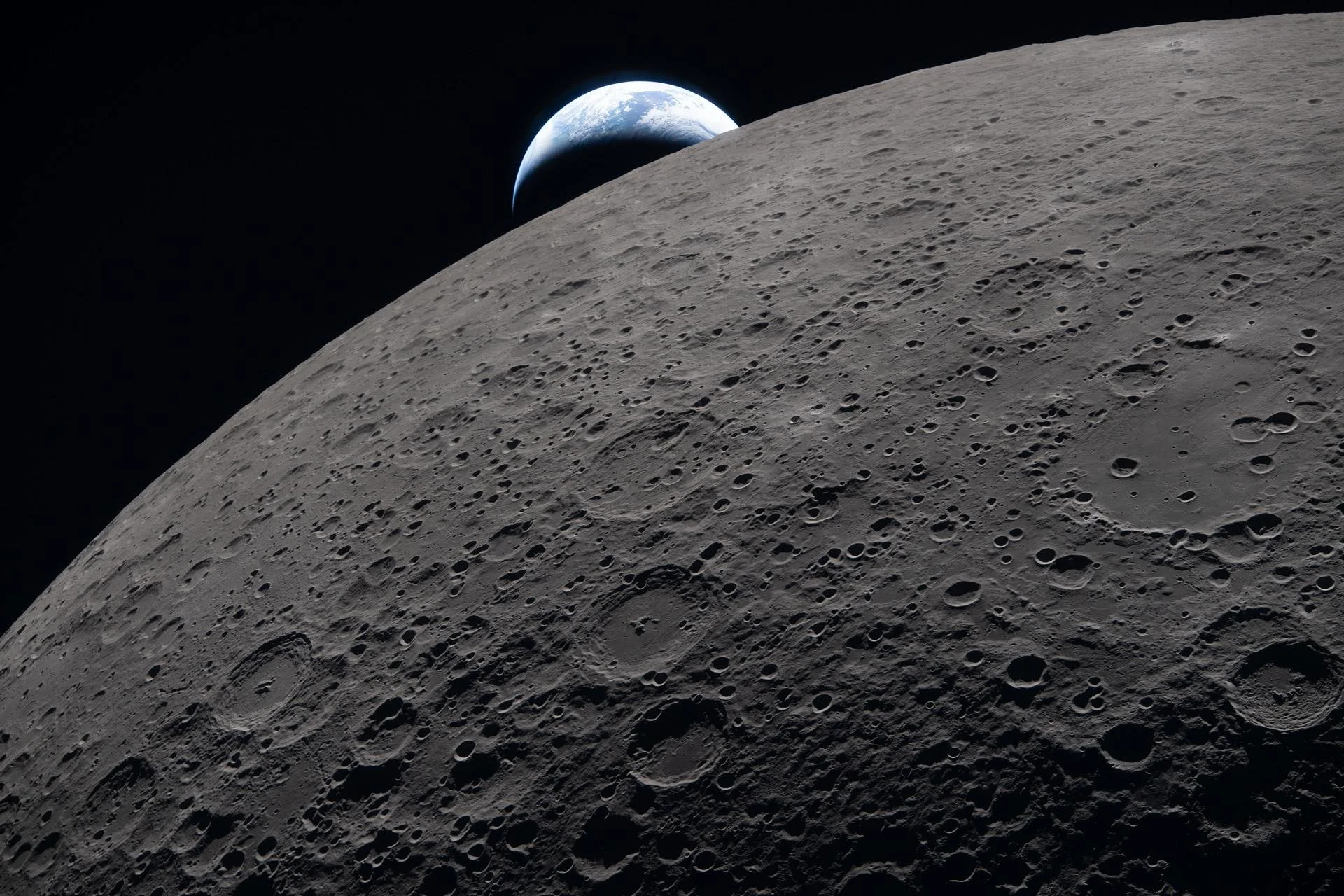
Photos Courtesy of NASA
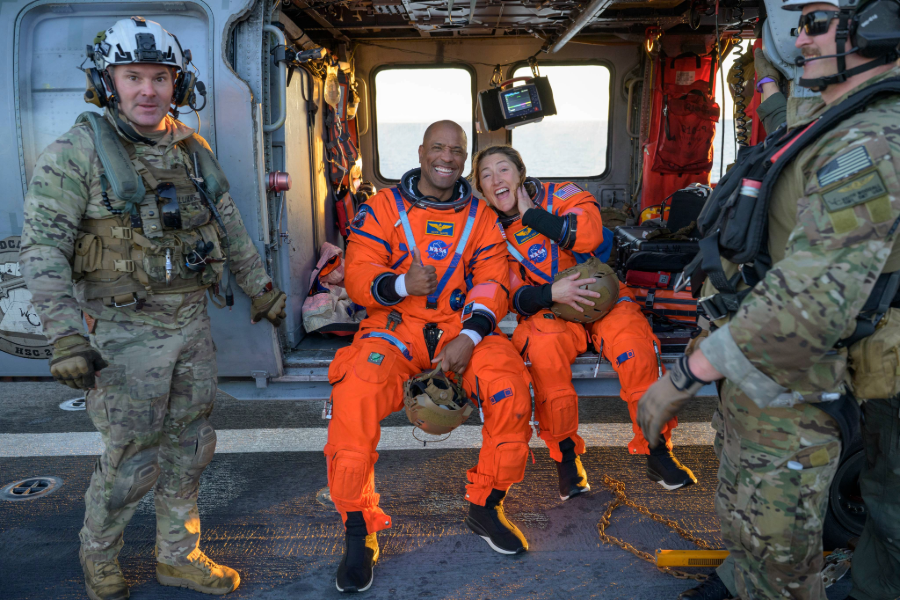
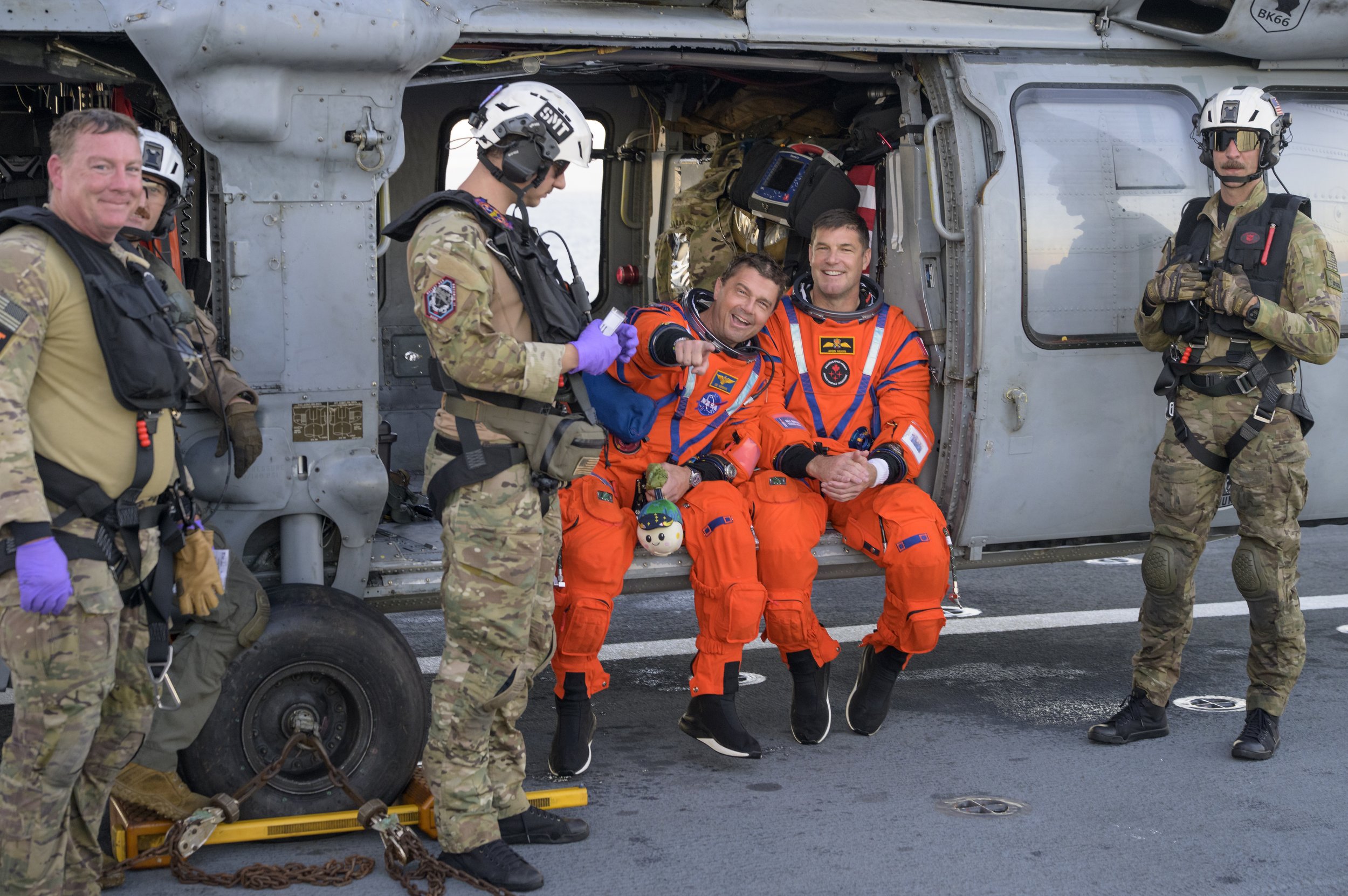
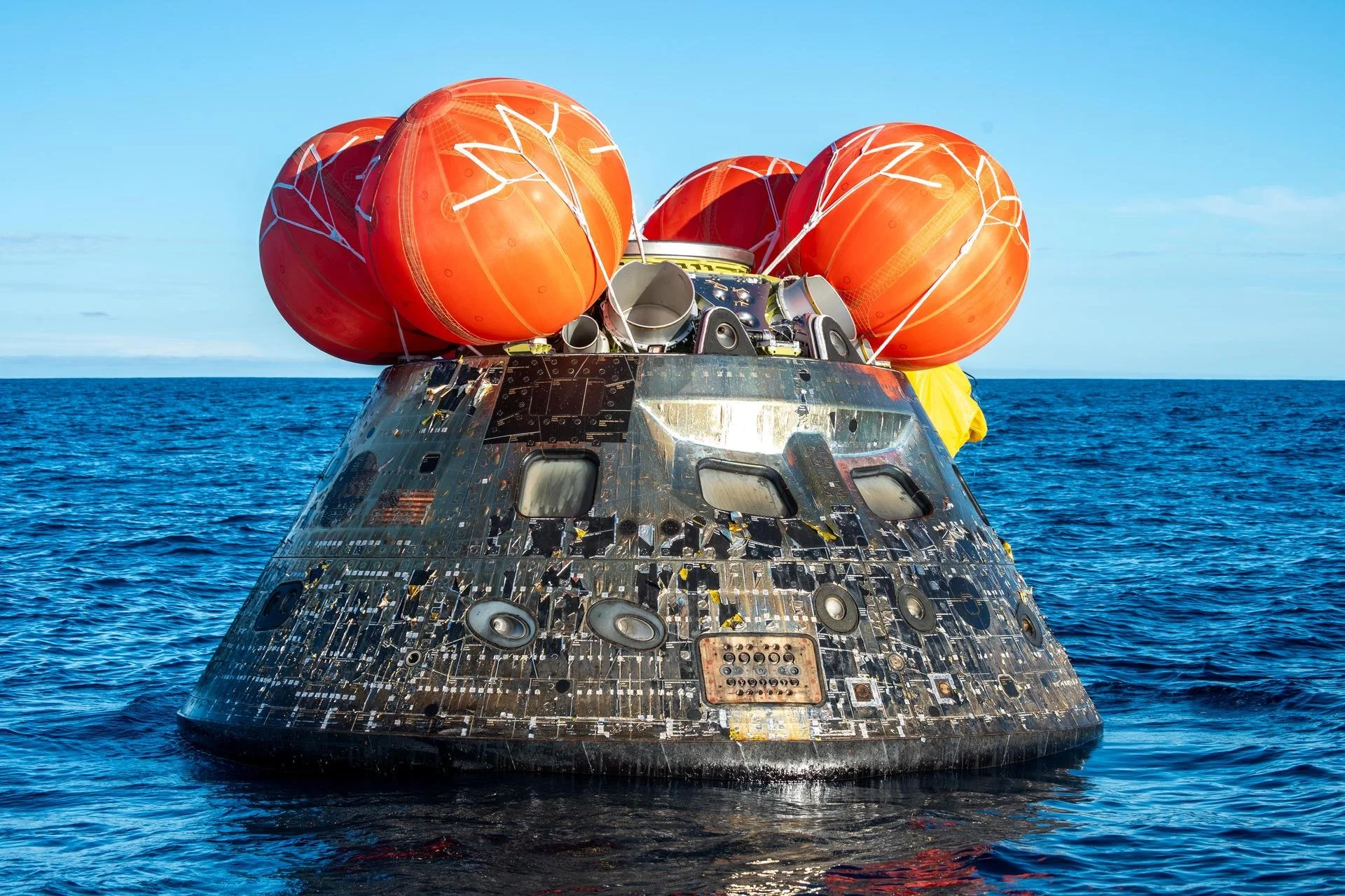
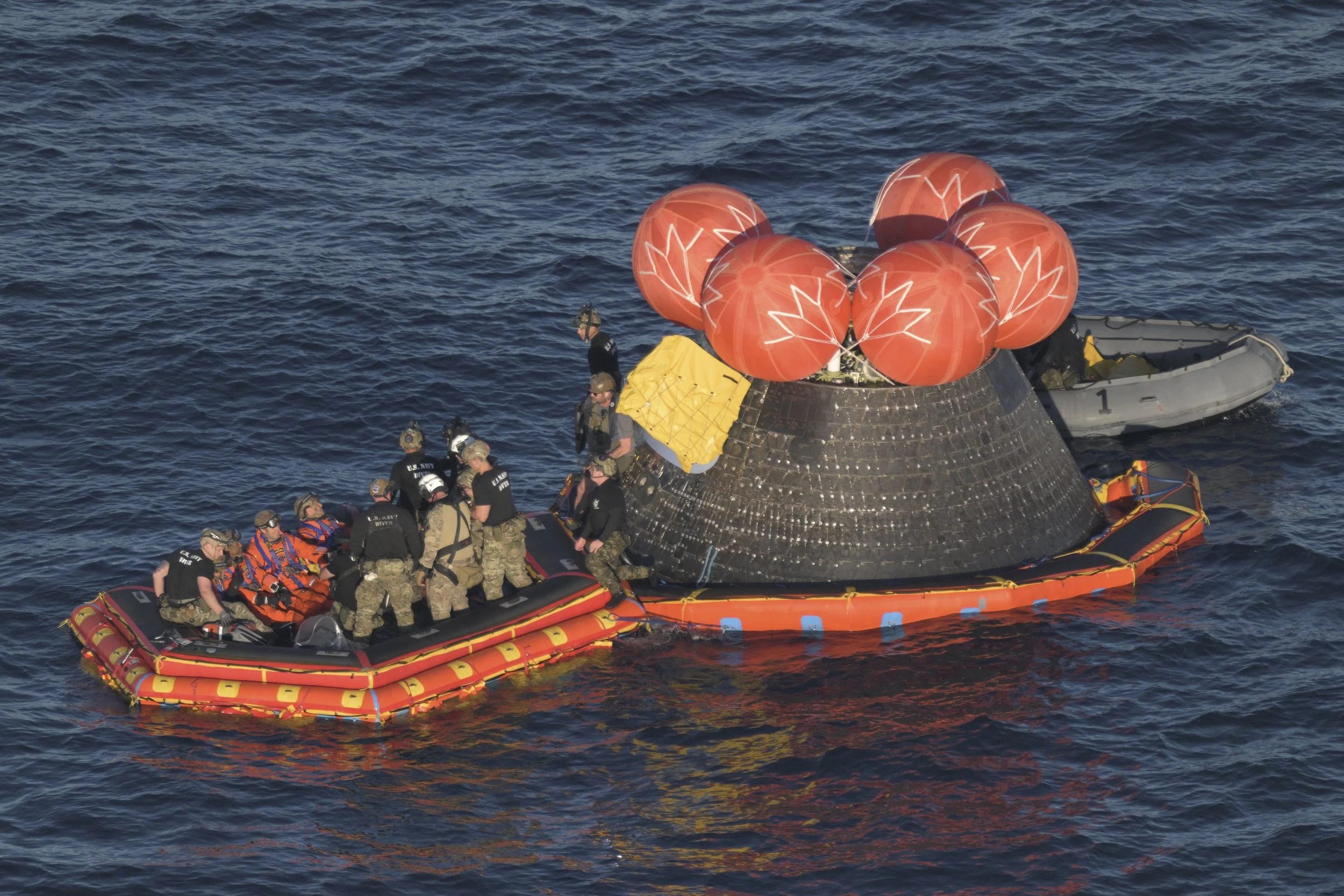
When NASA’s Artemis II mission successfully splashed down in the Pacific on April 10, 2026, I had popped into a local establishment in the Florida Keys to watch the scene unfold. The diverse four-person crew, comprising the first female, first Black, and first Canadian on a lunar mission, traveled 252,756 miles from Earth, the farthest humans have traveled into space, on a slingshot around the dark side of the moon. Watching the landing with fellow smiling patrons, I realized that the astronauts brought much-needed “Moon Joy” and important lessons back to Earth.
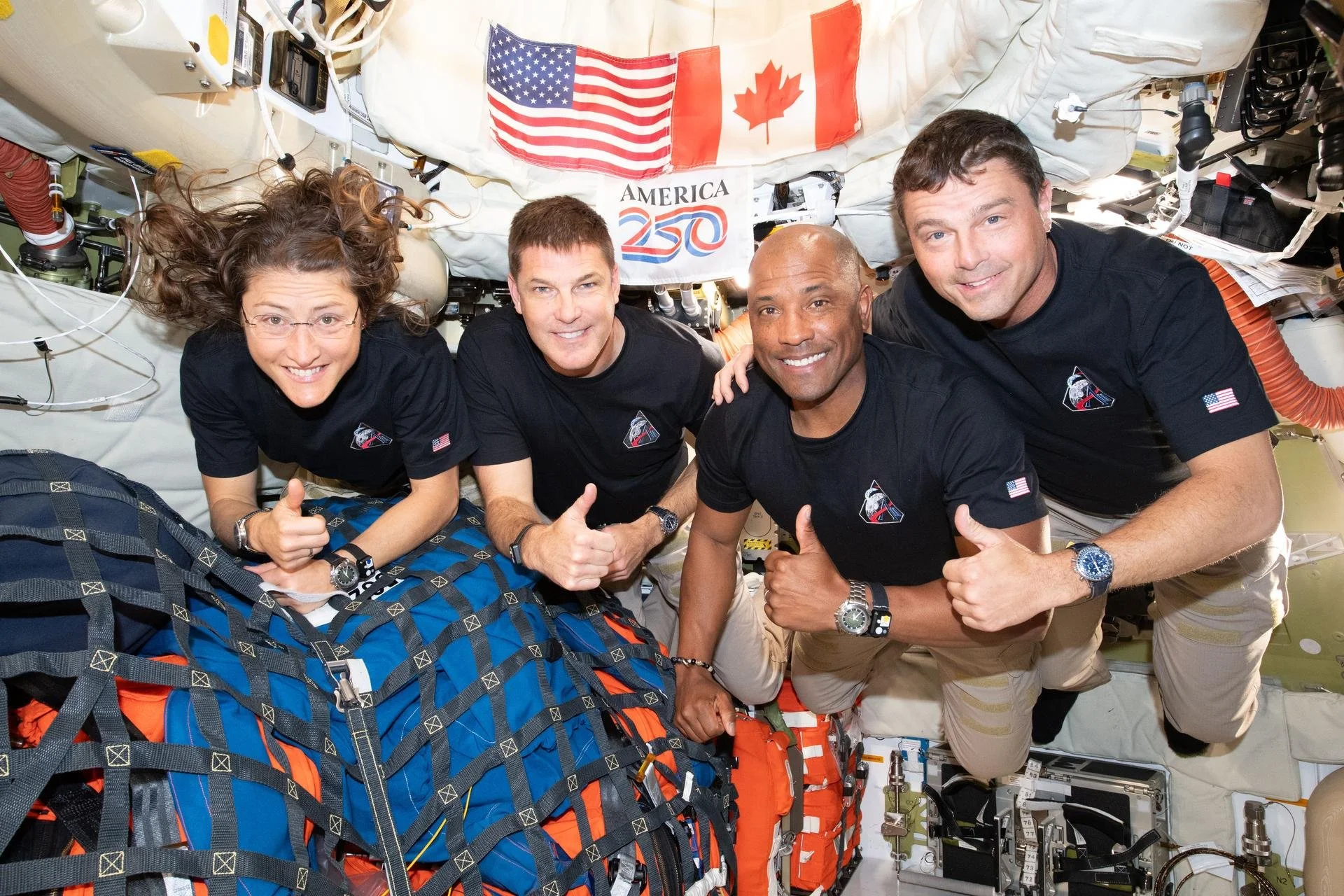
Reid Wiseman (Mission Commander), Victor Glover (Pilot), Christina Koch (Mission Specialist), and Canadian Space Agency astronaut Jeremy Hansen (Mission Specialist) formed the first team to complete a lunar mission since the Apollo 17 flight in 1972.
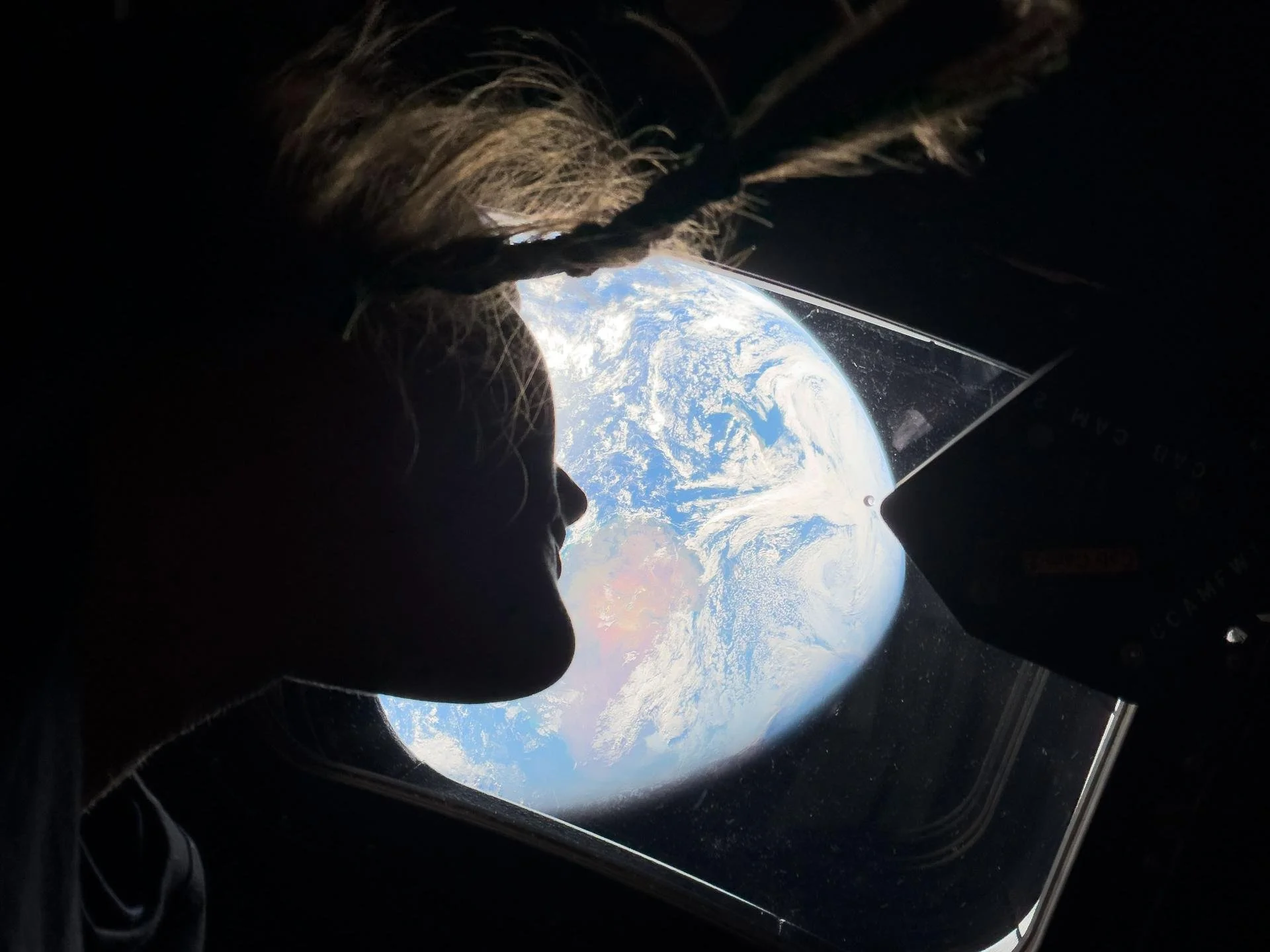
Mission Specialist Christina Koch aboard Artemis II — Photo Courtesy of NASA
Christina Koch reflected on her experience in space, saying, "The thing that changed for me, looking back at Earth, was that... it truly emphasized how alike we are." When current affairs are marked by ongoing global wars and conflicts, Koch’s simple statement reminds us to be humble and focus on what connects us rather than what divides us. “Ultimately, we will always choose Earth,” she says. “We will always choose each other.”
During a live Q&A onboard the Artemis II, NASA relayed a question from Merriam-Webster about the best words to describe the astronauts’ unique experience. Koch answered,
“I’ll be honest with you, the main word, because superlatives just don’t do it justice, is humility. We would never be here if it weren’t for so many people [who] came before us, starting with Neil Armstrong, Katherine Johnson, Dorothy Vaughan, [and] civil rights movement leaders.
“Everyone who worked on this spacecraft before we got here in our three years of training. We went all over the country and to European and Canadian partners to see the people who have put their hands on this hardware–the millions of parts from every valve to this entire thing, the people that put on harnesses every day to rig it up in the VAB…
“They all passed the record. We definitely didn’t pass the record up here alone.”
Koch’s teammate, Canadian Jeremy Hansen, said, “The purpose of humanity is joy and lifting one another up, creating together versus destroying.” I imagine that staring at the Earth from space must have been a dramatic reminder of how interconnected our lives on Earth really are. Hansen also echoed Koch’s humility, acknowledging the “extraordinary efforts and feats of our predecessors in human space exploration."
Pilot Victor Glover said, “As we get close to the nearest point on the moon and the farthest point from Earth and continue to unlock the mysteries of the cosmos, I would like to remind you of one of the most important mysteries on Earth, and that’s love. And to all of you down there on Earth and around Earth, we love you, from the moon.”
Hansen demonstrated that love mid-mission when he informed the NASA space center that the crew would dedicate the name of a large crater, described as “a bright spot on the moon,” as “Carroll” in honor of Wiseman’s late wife, who succumbed to cancer in 2020.
As mission commander, Reid Wiseman commented, “There is nothing normal about this. Sending four humans [more than] 250,000 miles away is a Herculean effort, and we are just realizing the gravity of that.”
The farther the astronauts went from the Earth, the more they realized what united us–in a time we desperately needed this reminder. The Artemis II mission around the moon revealed that sometimes perspective (distance) gives us the clarity to see what’s right in front of us. The most effective teams are built on humility, shared purpose, and a willingness to credit everyone who contributed along the way.
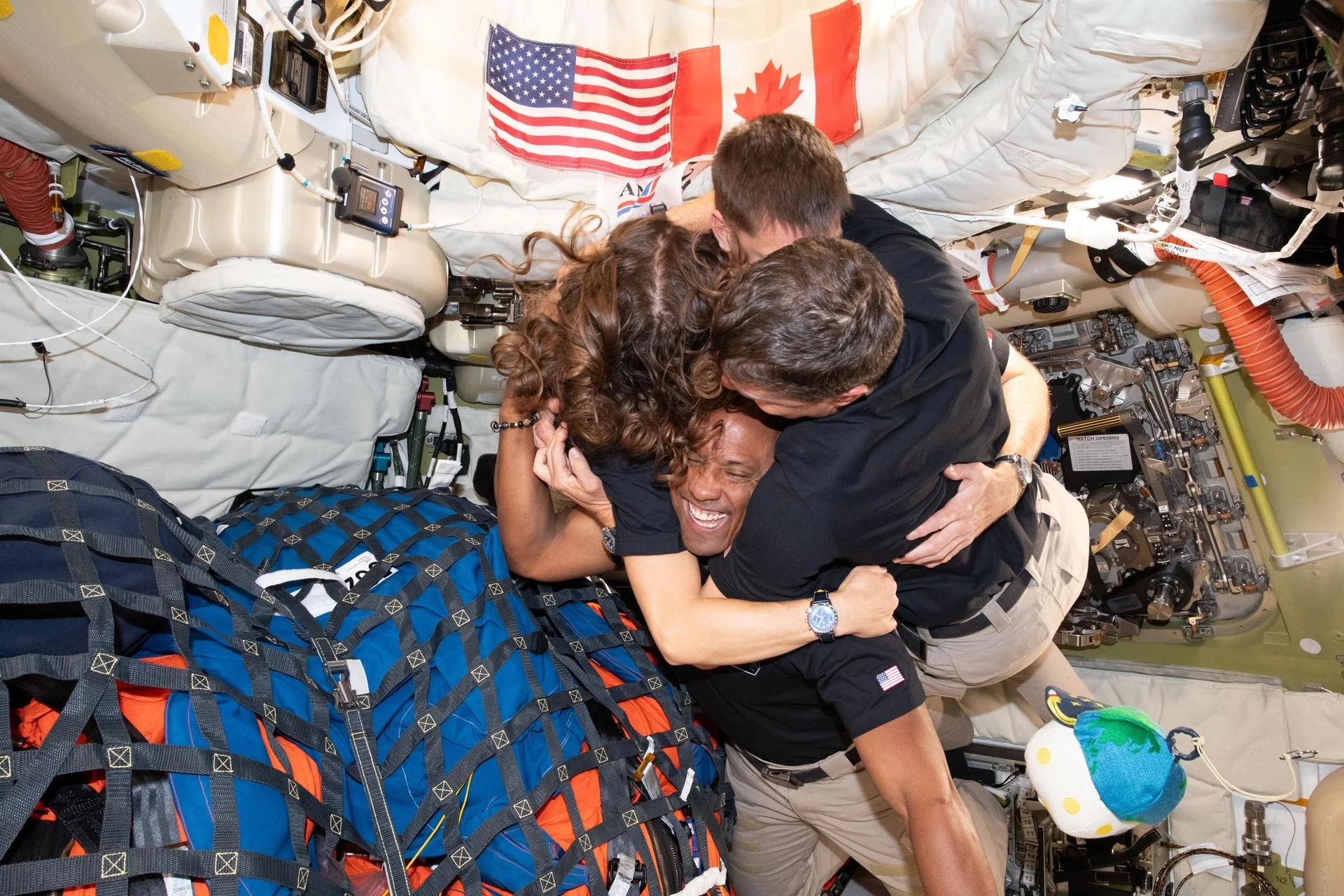
Photos Courtesy of NASA
PS: To revel in a little “Moon joy,” take a listen to Artemis II’s Wake-Up Soundtrack, and give a nod to Mother Earth by listening to Joni Mitchell’s 1970 hit, Big Yellow Taxi, which veteran reporter Dan Rather argues is the “seminal anthem” for the Earth Day movement established that same year.
PPS: You can also listen to the Artemis II Crew’s interview responding to children’s questions about their mission on The New York Times’ The Daily podcast. Koch’s one-word, post-mission description doesn’t change: humility.


Photos Courtesy of NASA